.jpg)
 By Lucy Waters - Managing Director for Aria Finance
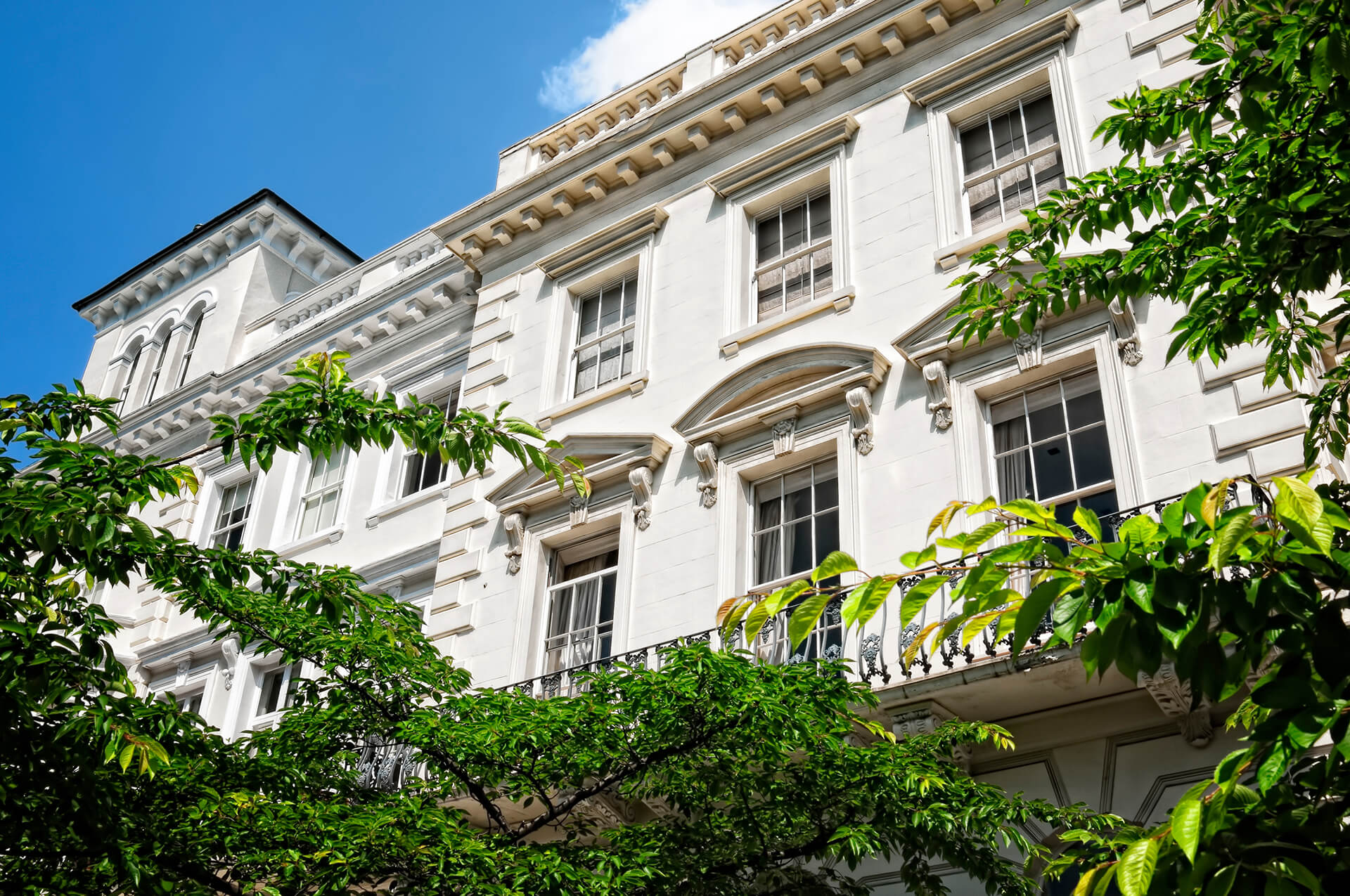
For most of the 2010s, London’s prime residential property market was on a strong run, attracting investors and capital in a way few cities can.
However, over the past couple of years, a combination of headwinds, including the abolition of the non-dom regime, elevated interest rates and an uncertain economic and political backdrop, mean it has lost its momentum.
While some people have been quick to write off London’s prime market, a slowdown iwas always going to happen eventually. All markets go in cycles.
Here are three reasons why some of that pessimism in the media has been overdone.
Transactions are picking up
The clearest sign that the market has turned can be found in the numbers.
According to Savills, an estate agent heavily associated with the prime property market, there were 107 sales above £5m in prime central London during the second quarter of 2026, up 45% on the previous quarter.
Granted, activity is still down 7% on the same period last year, meaning that there is some way to go in terms of recovery, but the direction of travel is clearly changing.
Look higher up the market and the picture is stronger still. Sales above £10m rose 24% year on year in Q2. Total spend on £5m homes hit £1.22bn during the quarter, a 13% increase on the same quarter last year.
The correction has done its work
The obvious question is, why?
Prices have fallen hard. Prime central London values are now around 25% below their 2014 peak, in nominal terms, and down almost 5% in the past year alone.
While it may seem a strange thing to say about an area where properties are priced in the millions, following such a fall, high-net-worth buyers are starting to spot value.
It also raises the question of whether the uptick in transactions can last. While talk of a new land value tax is unhelpful, much of the bad news of recent years, including the end of the non-dom regime, is now factored into prices. In other words, the sellers have already sold, therefore the market has found its floor.
Those who talk London down say that higher interest rates are choking the market. But while borrowing is clearly dearer than it was in the 2010s, interest rates remain cheap by historical standards.
Taken together, it means that assets that looked dear a few years ago are starting to look like decent value – relatively speaking, of course.
London's pull doesn't fade
London's detractors often fail to consider what made the capital such a magnet for investment in the first place.
For centuries, it has been the UK's premier historical and cultural hub, one that attracts millions of workers and tourists from the four corners of the globe. That will never change.
Then there is the City, which remains one of the world's leading financial centres, despite also facing questions about its place in the world in recent years. As a result, it will continue to attract the best minds on the highest salaries, which offers up a consistent source of demand for higher-end properties.
Scarcity matters too. While London has more prime properties than most cities, supply is limited. And planning barriers and space make it difficult to create new stock. That limited supply sets a floor on property values.
The affluent suburb of Hampstead, in north-west London, is a good case in point. Many of its best homes have been held by the same families for decades and rarely come to market, according to Savills. When they do, that scarcity drives fierce competition. Therefore, it’s no coincidence that the area has recently climbed into the capital's top three most active locations for £5m-plus sales.
The window of opportunity
None of this is to say that the path to recovery for London will be easy. Savills, for example, expects a gradual recovery, with meaningful price growth not returning until 2028.
But that is precisely the point. The painful correction over the past few years has made the capital's prime property market more affordable, to the point where some areas are edging into genuine bargain territory.
When that happens, it rarely stays a secret for long. The buyers with the resources to act tend to move quietly and quickly, taking the best stock while pricing is still fairly soft.
For those buyers, the current market is a rare window of opportunity to pick up underpriced assets in what remains one of the world's most desirable cities. That window won’t stay open forever.
.jpg?length=350&name=shutterstock_2594173421%20(1).jpg)

.jpg?length=350&name=shutterstock_2809131085%20(1).jpg)